
Bonnell Spring vs Pocket Spring: Which Spring Unit Should Your Mattress Factory Make?
How Bonnell and pocket spring units differ in construction, comfort, cost and production equipment, and how to decide which spring line your factory should start with.
The spring unit is the heart of an innerspring mattress, and it decides a large part of your production line. Most mattress factories start with one of two systems: Bonnell springs or pocket springs. Both are mature, both sell well, but they are made on very different machines and they serve different price levels.
This guide explains the difference from a manufacturer's point of view: how each unit is built, what the end customer feels, what it costs to produce and which machines you need.
How a Bonnell spring unit is built
A Bonnell spring is an hourglass-shaped coil with knotted ends. The springs are placed in rows and joined to each other at the top and bottom with thin helical (lacing) wires, so the whole unit works as one connected grid. A border wire is usually added around the edge to make the unit firm and easy to handle.
Because every spring is linked to its neighbours, a Bonnell unit is firm and supportive, but movement travels across the bed: when one person turns over, the other feels it.
How a pocket spring unit is built
A pocket spring is a straight (cylinder) or barrel-shaped coil that is sealed inside its own pocket of nonwoven fabric. The pocketed springs come out of the machine as a continuous string, and the strings are glued side by side with hot-melt adhesive to form a unit.
The springs are not wired to each other, so each one moves on its own. The mattress follows the body more closely and transfers much less movement between sleepers. This is why pocket springs are used in most mid- and high-end mattresses.
Side-by-side comparison
| Bonnell spring unit | Pocket spring unit | |
|---|---|---|
| Spring shape | Hourglass, knotted ends | Cylinder or barrel, sealed in fabric |
| How springs are joined | Helical lacing wire | Hot-melt glue between fabric strings |
| Feel | Firm, even support | Body-contouring, independent support |
| Motion transfer | Noticeable | Low |
| Material per unit | Spring wire and lacing wire | Spring wire, nonwoven fabric and glue |
| Typical market | Economy and mid-range, hotels, export volume | Mid- to high-end, branded mattresses |
| Roll packing | Possible but less common | Well suited to compression and roll packing |
What each line needs in your factory
Bonnell spring line
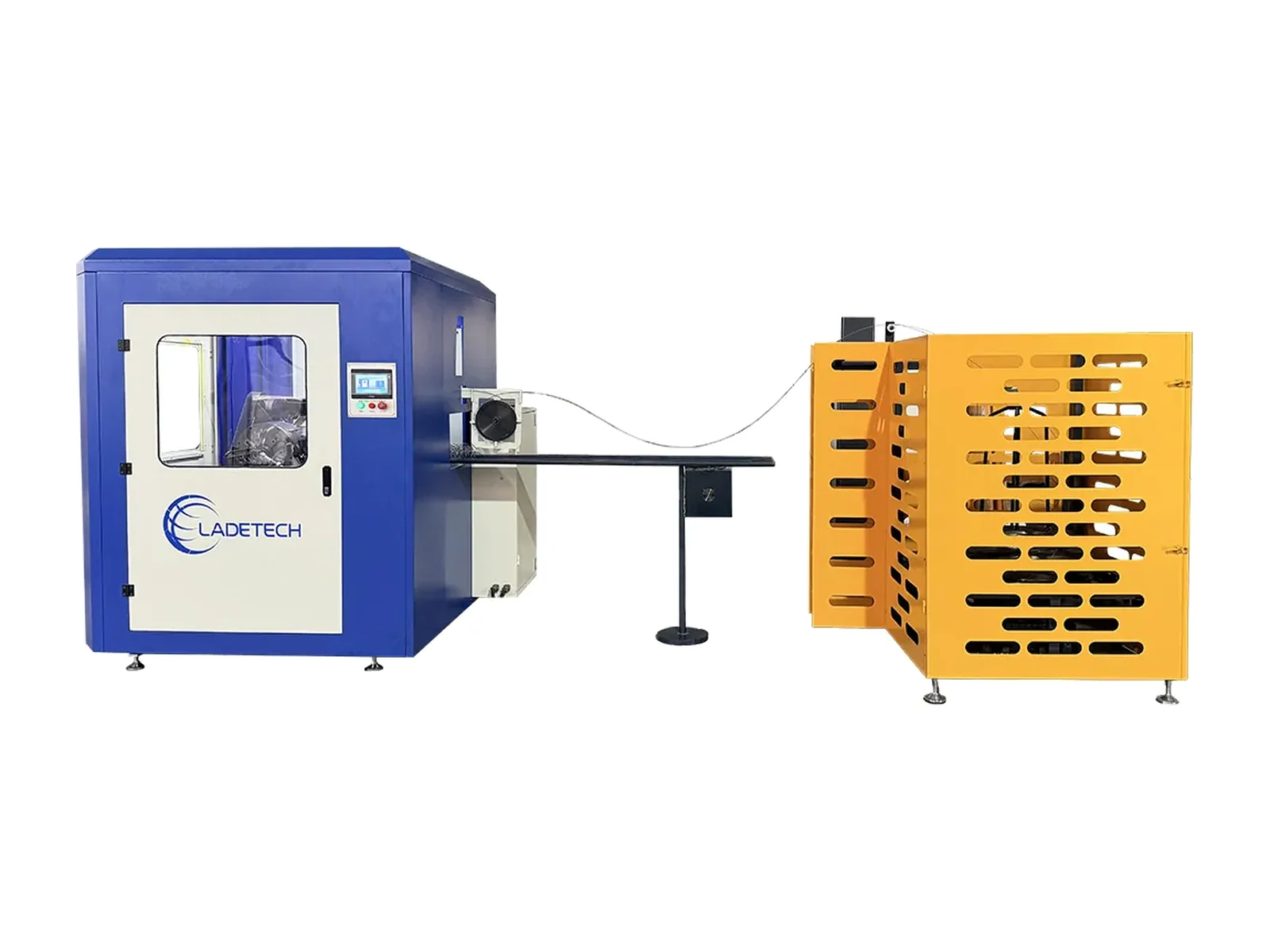
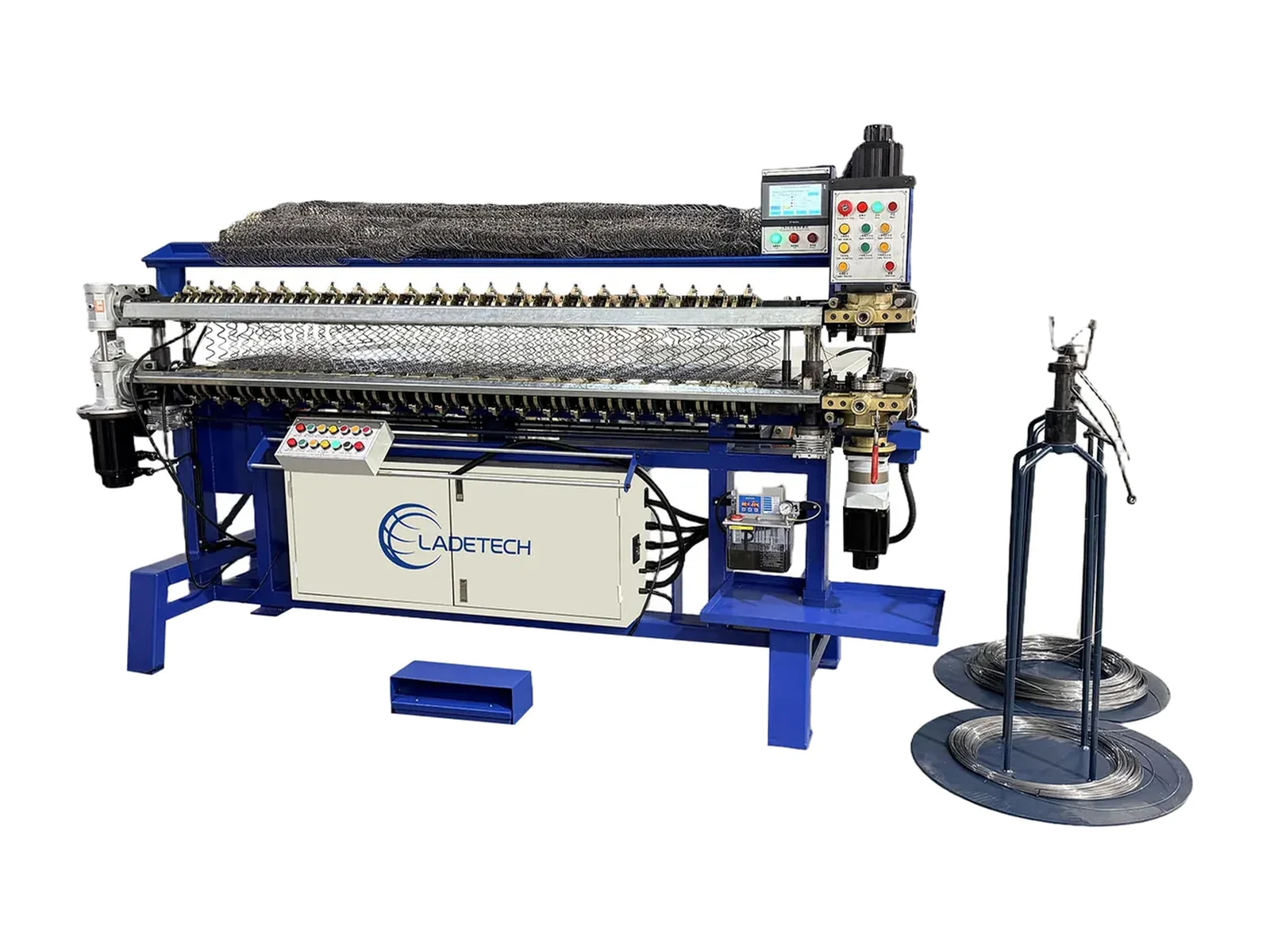
A basic Bonnell line has two machines:
- A coiling machine, which forms, knots and heat-treats the springs. Our LDT-100 high-speed Bonnell spring coiling machine produces 100 springs per minute (wire diameter 1.9-2.4 mm, spring height 70-190 mm).
- An assembly machine, which laces the springs into units with helical wire. The LDT-YH200 Bonnell spring assembling machine handles about 24,000 springs per 8-hour shift with one operator, for units up to 2000 mm wide.
For higher volume, an automatic line such as the LDT-880 Bonnell spring transfer line coils, knots, heat-treats and assembles in one continuous process, with a capacity of 43,200 springs per 8-hour shift.
Pocket spring line
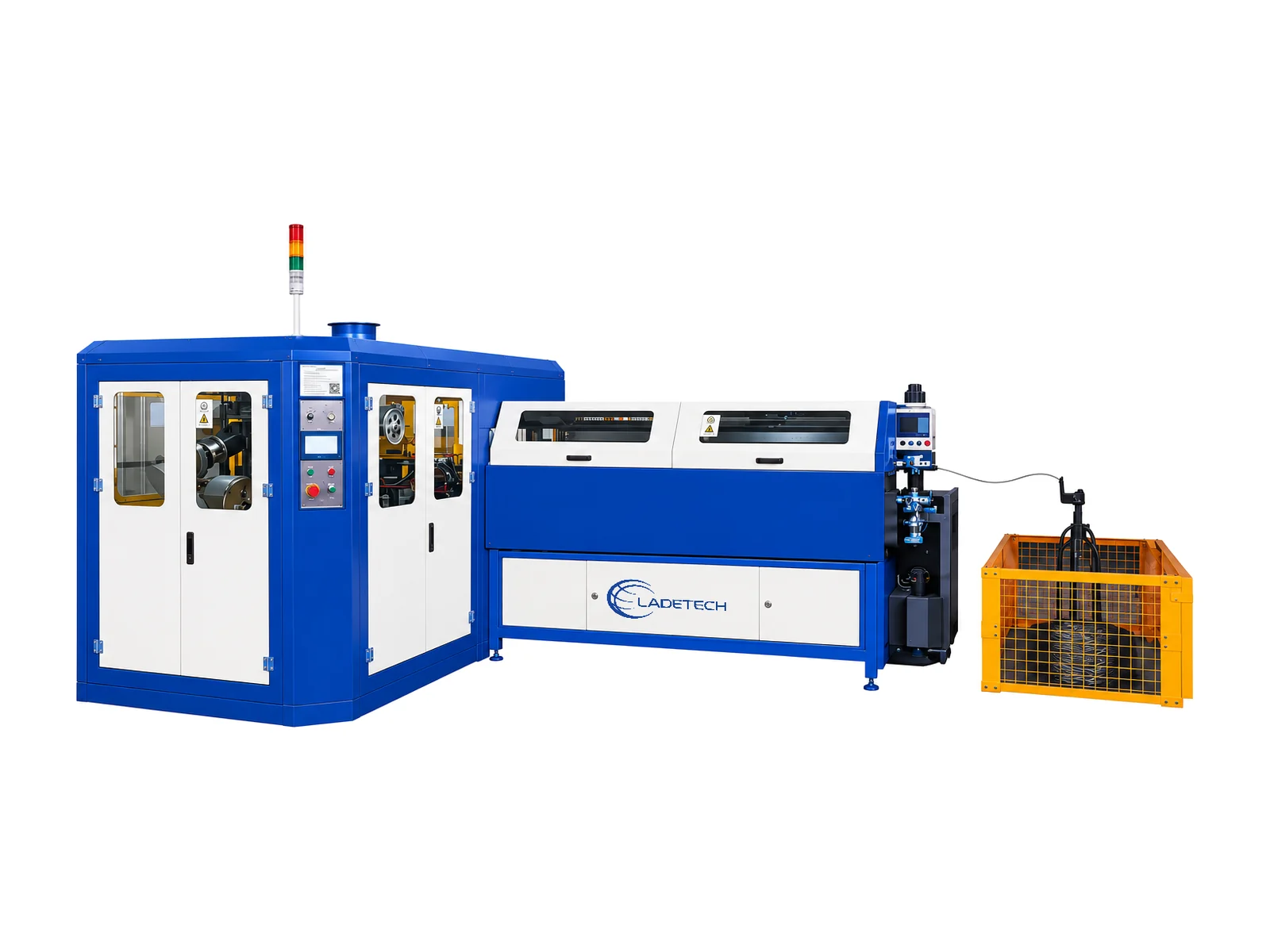
A pocket spring line also starts with coiling, but each spring is heat-treated, compressed into a fabric pocket and sealed ultrasonically in the same machine:
- A pocket spring coiling machine, such as the LDT-PS130 at 130 springs per minute. One operator can normally look after three or more coilers.
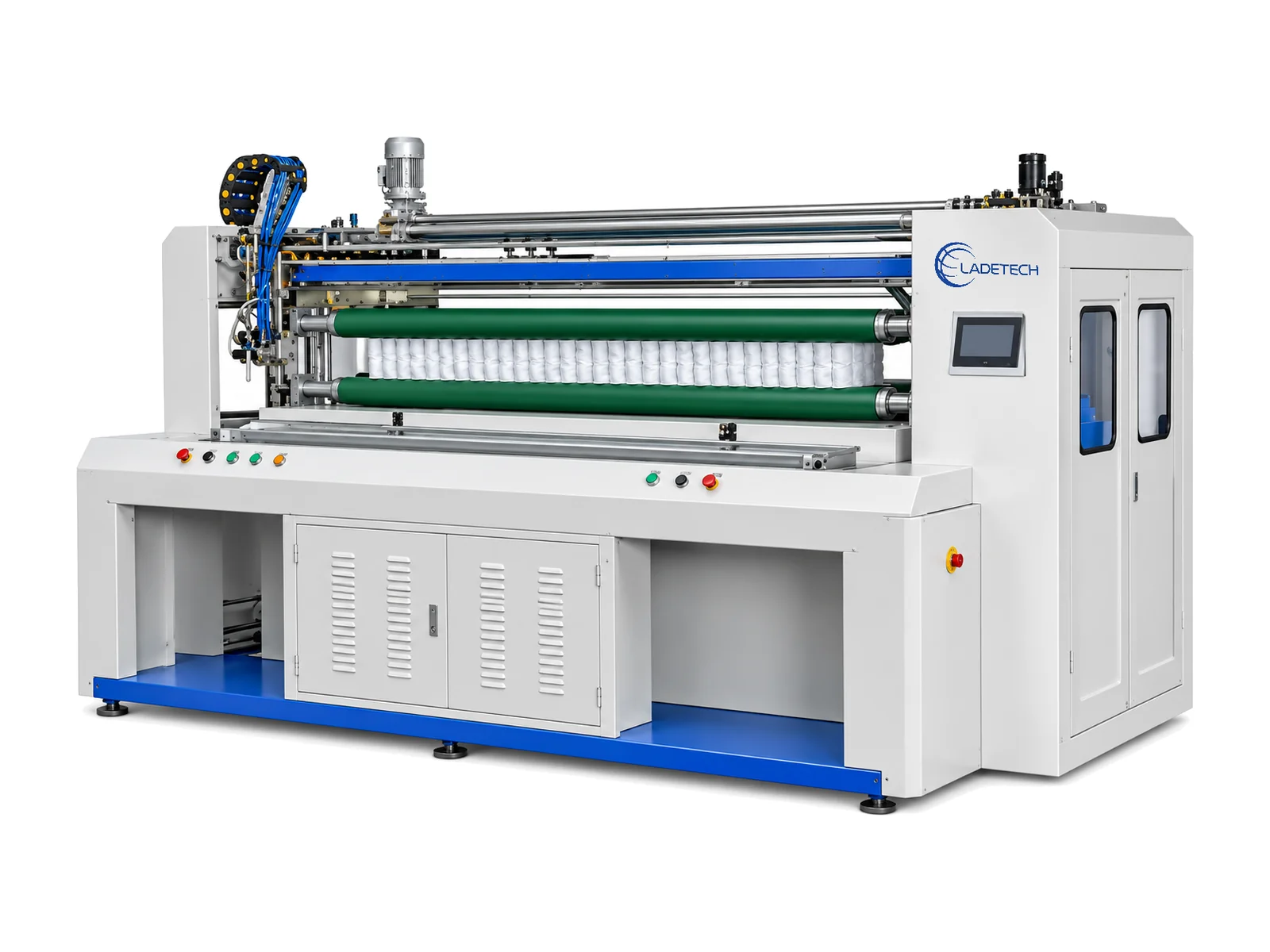
- An assembly machine that glues the strings into units, for example the LDT-TNJ pocket spring assembly machine (up to 7 rows per minute, gluing width up to 2100 mm). Fully automatic assemblers like the LDT-PAM series connect directly to one to three coilers.
- Optional equipment: an ultrasonic cutter for spring strings and a pocket spring roll packing machine to save storage and shipping space.
Which one should you start with?
There is no single right answer, but these questions usually decide it:
- Who are your customers? If you sell mainly to price-sensitive retail, hotels or institutions, Bonnell units are a reliable and economical choice. If you sell to furniture chains, e-commerce or your own brand, pocket springs are often expected.
- Do you plan to roll-pack mattresses? Pocket spring mattresses compress and roll well, which matters for online sales and export. If roll packing is in your plan, pocket springs fit better.
- What is your budget and space? A Bonnell line is simpler and usually a lower first investment. A pocket spring line needs more machines, nonwoven fabric and a glue system, but it gives a higher-value product.
- Do you want both? Many of our customers start with one system and add the other later. The rest of the line, such as quilting, sewing, tape edge and packing machines, is shared by both mattress types.
Summary
Bonnell springs give firm, economical support and are made on a short, simple line. Pocket springs give independent support and less motion transfer, and suit higher-end and roll-packed mattresses, with a longer but highly automated line. The best choice depends on your market, your packing method and your budget.
If you are not sure which line fits your plan, tell us your mattress types, daily output and factory size. We will suggest a machine configuration and send you a quotation.
Send an inquiry
One-on-one service, reply within one working day
More articles
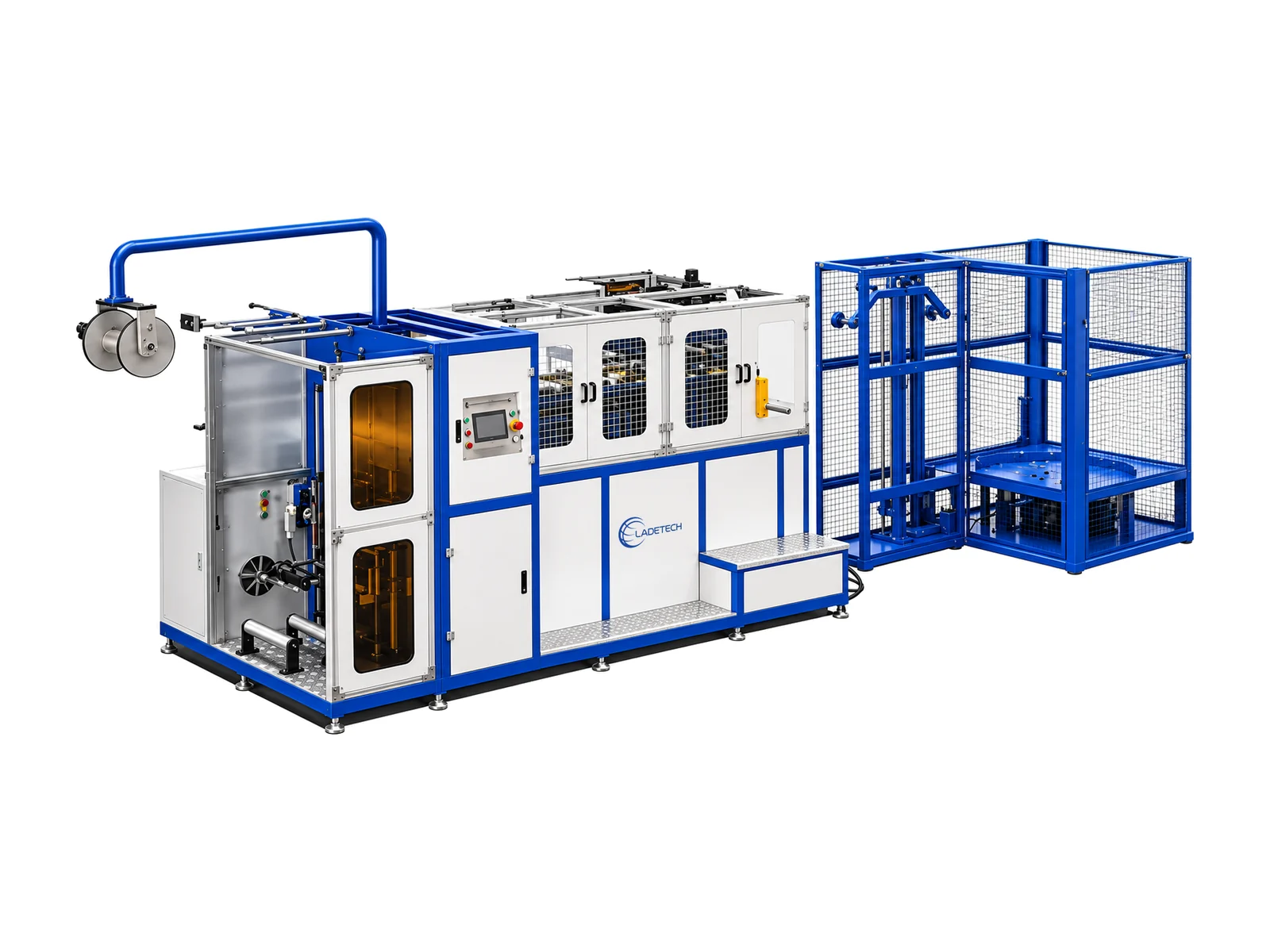 How to Choose a Pocket Spring Machine: 7 Things to CheckOutput, spring range, spring shape, nonwoven fabric, assembly method, staffing and after-sales: what to compare before you buy a pocket spring coiling machine.Read more
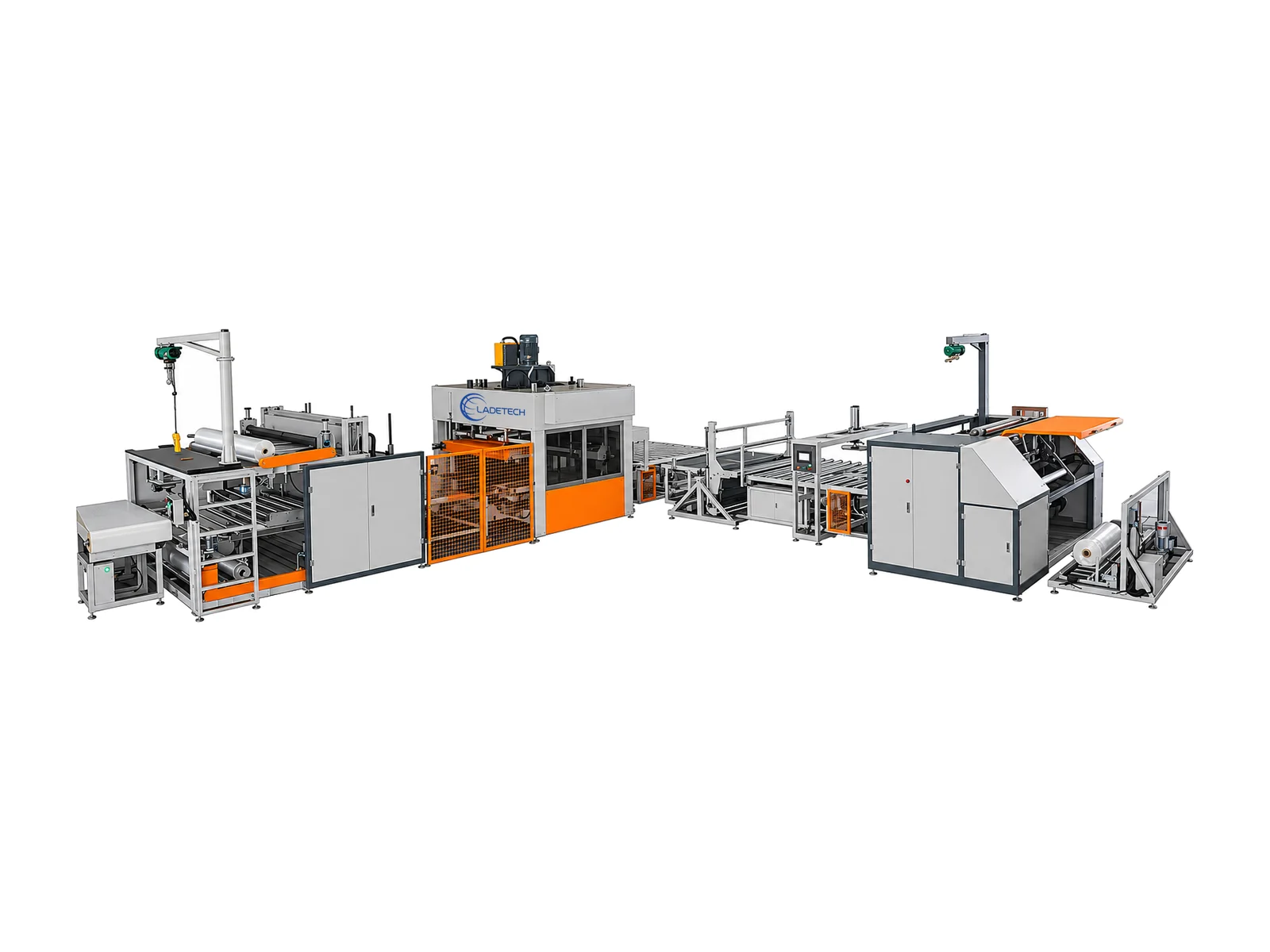 What Machines Do You Need to Start a Mattress Factory?A step-by-step list of the machines in a spring mattress factory, from spring units to quilting, sewing, tape edge and packing, plus how to plan a starter line and grow it later.Read more