
What Machines Do You Need to Start a Mattress Factory?
A step-by-step list of the machines in a spring mattress factory, from spring units to quilting, sewing, tape edge and packing, plus how to plan a starter line and grow it later.
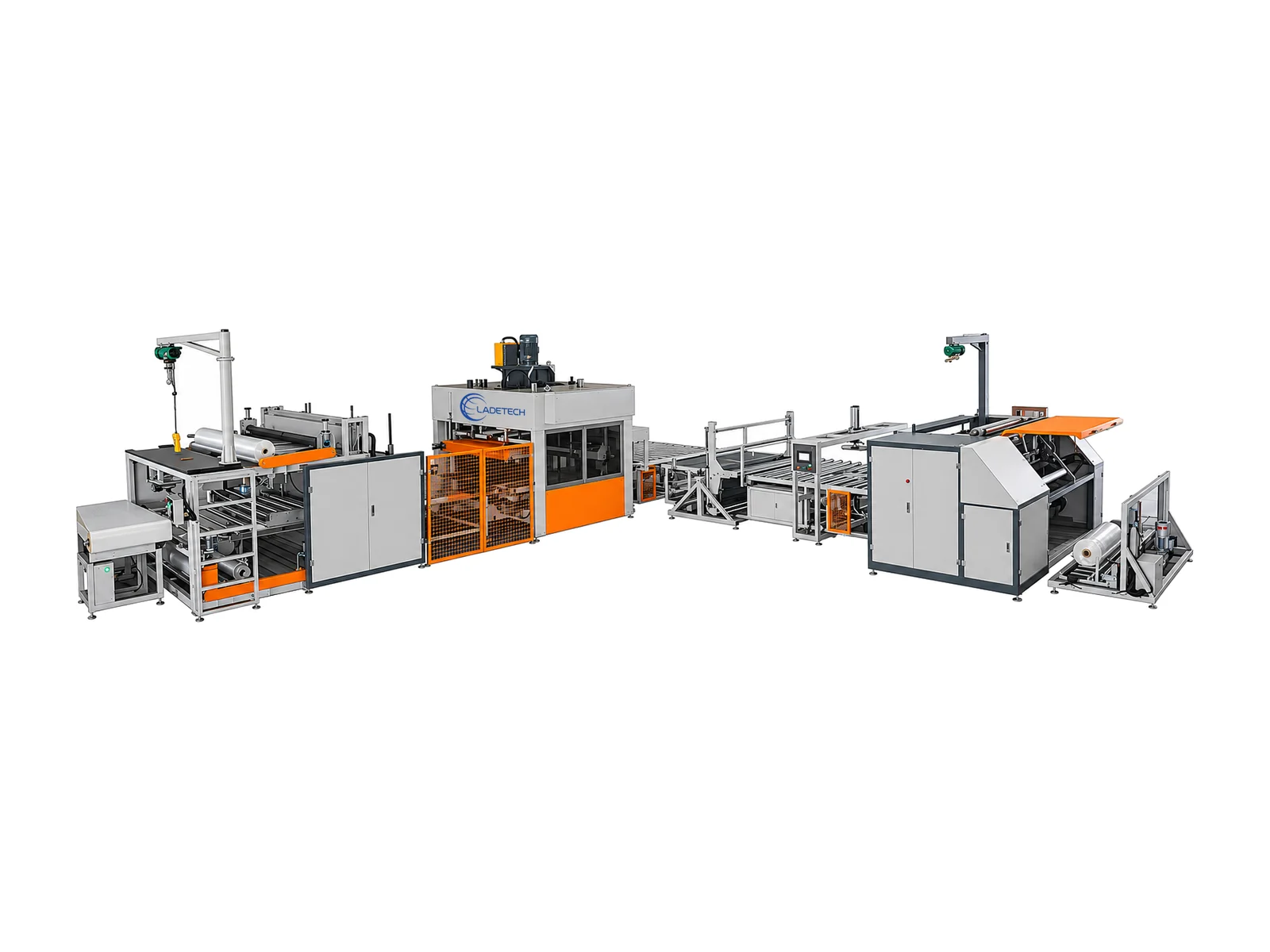
Starting a mattress factory is easier to plan when you follow the product through the workshop. A spring mattress is built in a fixed order: spring unit, quilted panels, border, assembly, closing and packing. Each step has its own machine, and the size of each machine decides your daily output.
Below is the complete list for an innerspring mattress factory, with the optional machines that make a line faster or more automatic.
1. Spring units
Everything starts with the spring core. You can make Bonnell spring units (connected hourglass springs) or pocket spring units (individually wrapped springs), or both. Each needs a coiling machine and an assembly machine. If you are still deciding, read our guide Bonnell spring vs pocket spring.
- Bonnell: a coiling machine such as the LDT-100 and an assembly machine such as the LDT-YH200
- Pocket springs: a pocket spring coiling machine and a glue assembly machine
Some factories buy finished spring units at the beginning and add their own spring line later. This lowers the first investment, but it makes you dependent on a supplier for the most important part of the mattress.
2. Quilting the top and bottom panels
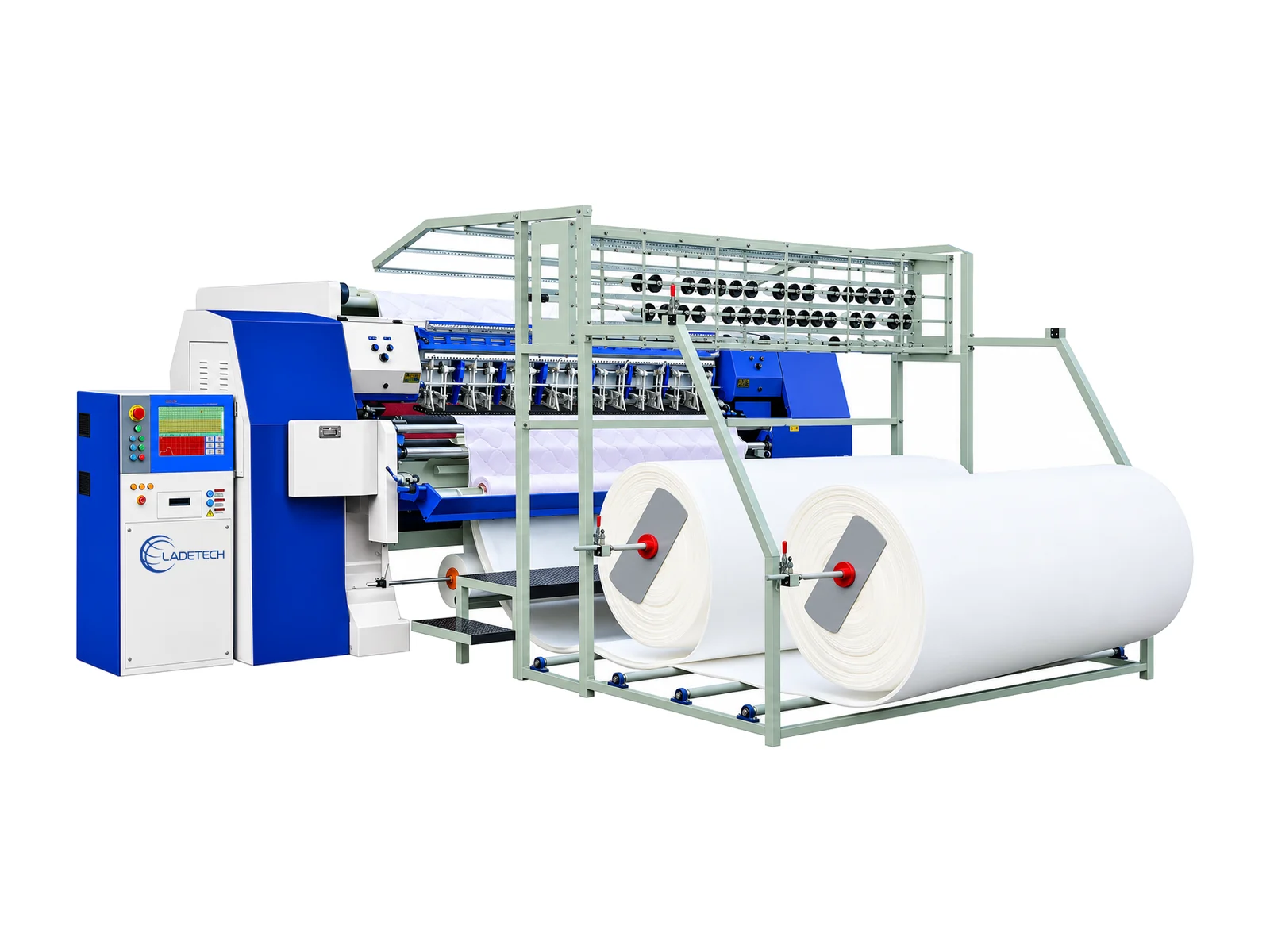
The mattress panels are made by quilting the cover fabric together with foam and fiber layers. A multi-needle quilting machine is the standard choice for volume production. For example, the LDT-JH computerized chain stitch multi-needle quilting machine quilts up to 2450 mm wide and up to 80 mm thick.
Single-needle quilting machines are used for more decorative patterns and for smaller batches. After quilting, a computerized panel cutter cuts the continuous quilted material into panels of the right length.
3. Making the border
The border (the side of the mattress) is quilted or stitched, decorated, and fitted with handles, labels and air vents. Typical machines are:
- a border quilting or side stitching machine
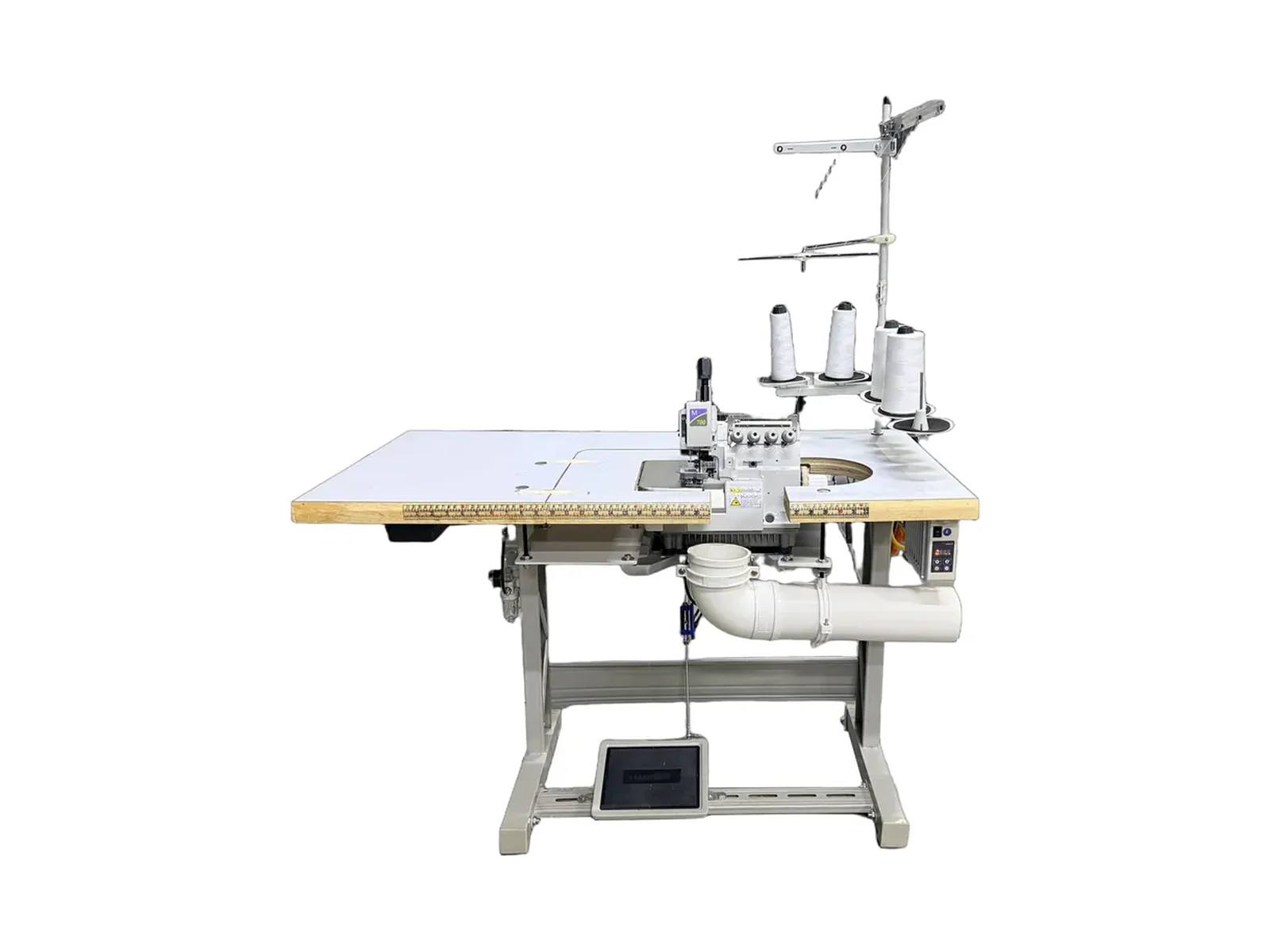
- handle and label sewing machines
- a long-arm sewing machine for repairs and special work
See all options in mattress sewing machines.
4. Flanging
A flanging machine sews a strip of fabric (the flange) to the quilted panel. The flange is then fixed to the spring unit so the panel cannot move. The LDT-FG06 mattress flanging machine handles panels 30-60 mm thick.
5. Assembly
At the assembly table, workers place the foam and padding layers on the spring unit and fix the flanged panels to it, usually with pneumatic clip guns (hog ring or C-ring tools). Foam layers can be glued with a manual hot-melt spray gun or an automatic glue line. Tools and glue machines are listed under mattress accessory machines.
6. Closing with a tape edge machine
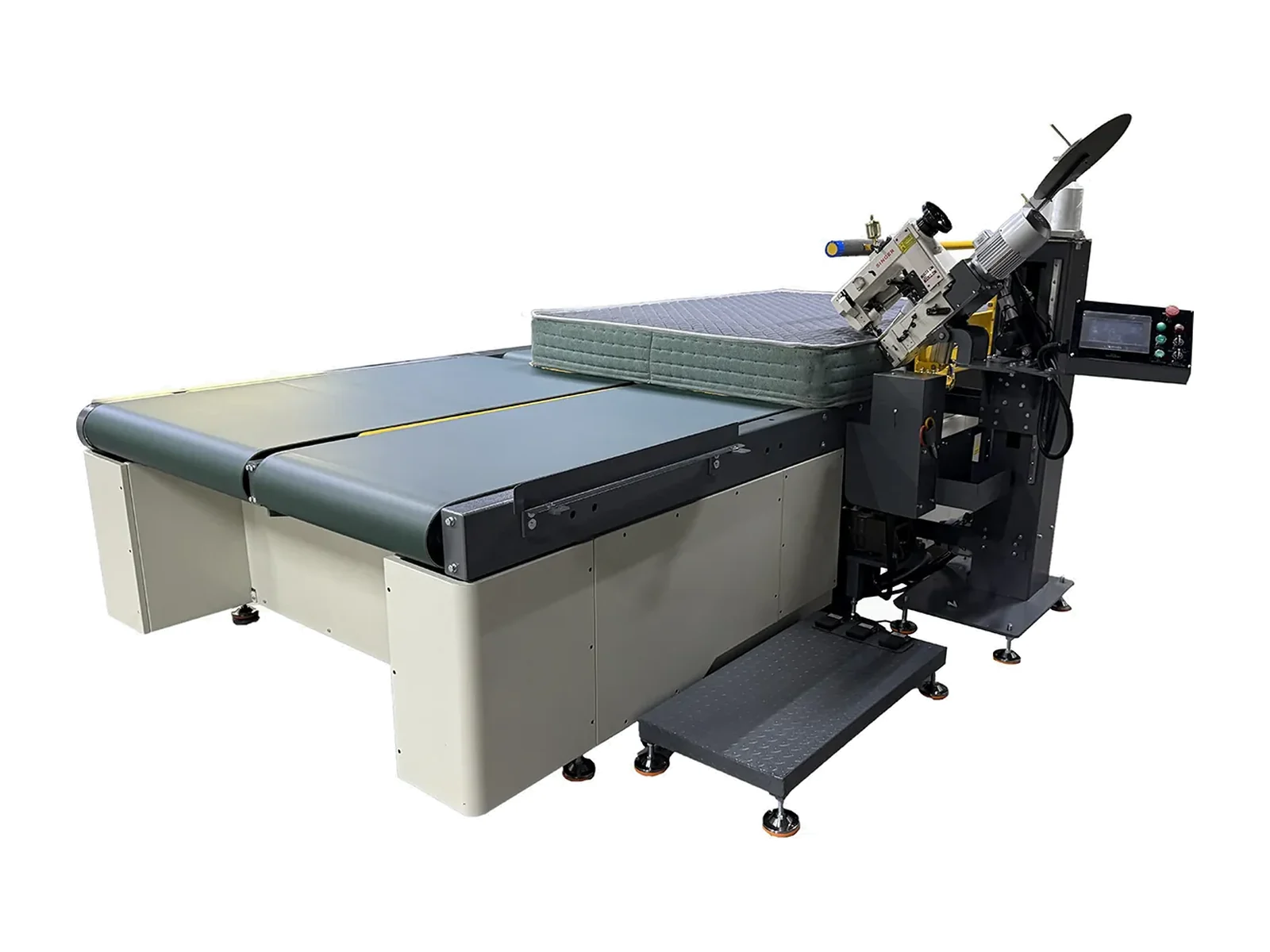
The tape edge machine sews the top panel, the border and the bottom panel together with a binding tape. It is often the step that limits the output of a small factory, so choose it carefully. A manual machine such as the WB-3A suits smaller lines, while the WB-4A automatic tape edge machine closes about 18 mattresses per hour, for mattress heights of 150-450 mm.
7. Packing
Finished mattresses are packed in plastic film, either flat or compressed and rolled:
- Film packing protects the mattress for local delivery, for example with the LDT-MP film packing machine.
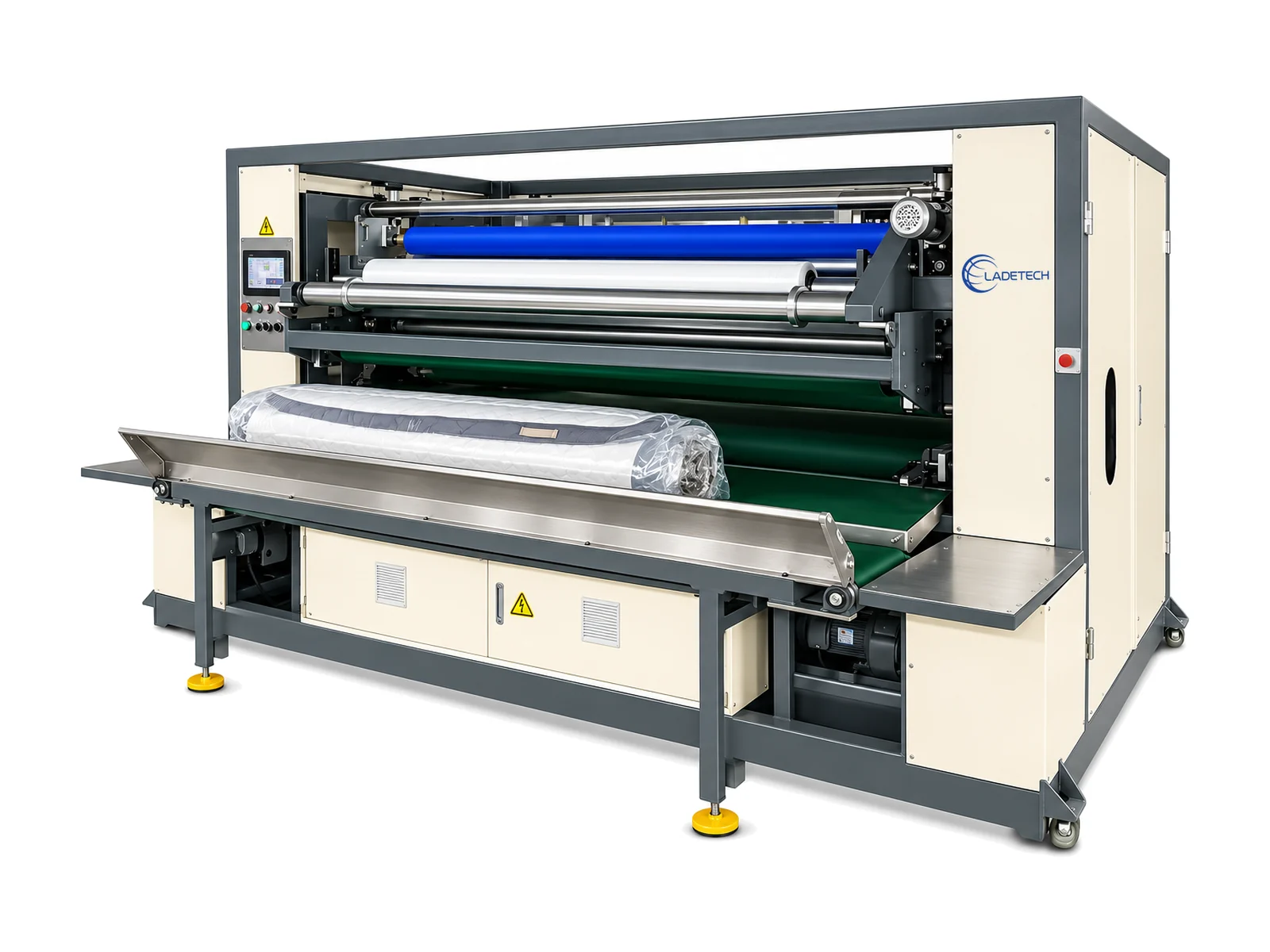
- Compression and roll packing reduces the volume many times, which saves warehouse space and freight cost. This is essential for e-commerce and export. The LDT-RPM automatic roll packing machine packs a mattress in about 40 seconds.
A starter line or a full automatic line?
You do not need every machine on the first day. A practical way to plan:
| Starter line | Automated line | |
|---|---|---|
| Spring units | Bonnell coiler and assembler, or bought-in units | Automatic Bonnell or pocket spring line |
| Quilting | One multi-needle quilting machine | Multi-needle quilting with panel cutter and stacking |
| Closing | Manual tape edge machines | Automatic tape edge machines |
| Packing | Film packing | Compression, folding and roll packing line |
| Labour | More operators per mattress | Fewer operators, higher and steadier output |
Start with the machines that make your core product, then add automation where your bottleneck is. In most new factories the first bottlenecks are the tape edge step and packing.
What to prepare before you ask for a quotation
A supplier can only plan the right line if they know your target. Prepare these points:
- the mattress types you want to make (Bonnell, pocket spring, foam, or a mix)
- your target output per day or per month
- the mattress sizes and heights for your market
- your factory floor area and layout
- the local power supply (voltage and frequency)
- whether you need roll packing for online sales or export
How LADETECH can help
LADETECH supplies complete sets of mattress and foam machinery. For a new factory, our project manager makes a production plan for your floor area, budget and output, our technicians provide on-site installation and training, and we give lifetime after-sales service for the equipment. Learn more on our project solution page, or send us your requirements and we will plan the machines and send you a quotation.
Send an inquiry
One-on-one service, reply within one working day
More articles
 Bonnell Spring vs Pocket Spring: Which Spring Unit Should Your Mattress Factory Make?How Bonnell and pocket spring units differ in construction, comfort, cost and production equipment, and how to decide which spring line your factory should start with.Read more
 How to Choose a Pocket Spring Machine: 7 Things to CheckOutput, spring range, spring shape, nonwoven fabric, assembly method, staffing and after-sales: what to compare before you buy a pocket spring coiling machine.Read more