
How to Choose a Pocket Spring Machine: 7 Things to Check
Output, spring range, spring shape, nonwoven fabric, assembly method, staffing and after-sales: what to compare before you buy a pocket spring coiling machine.
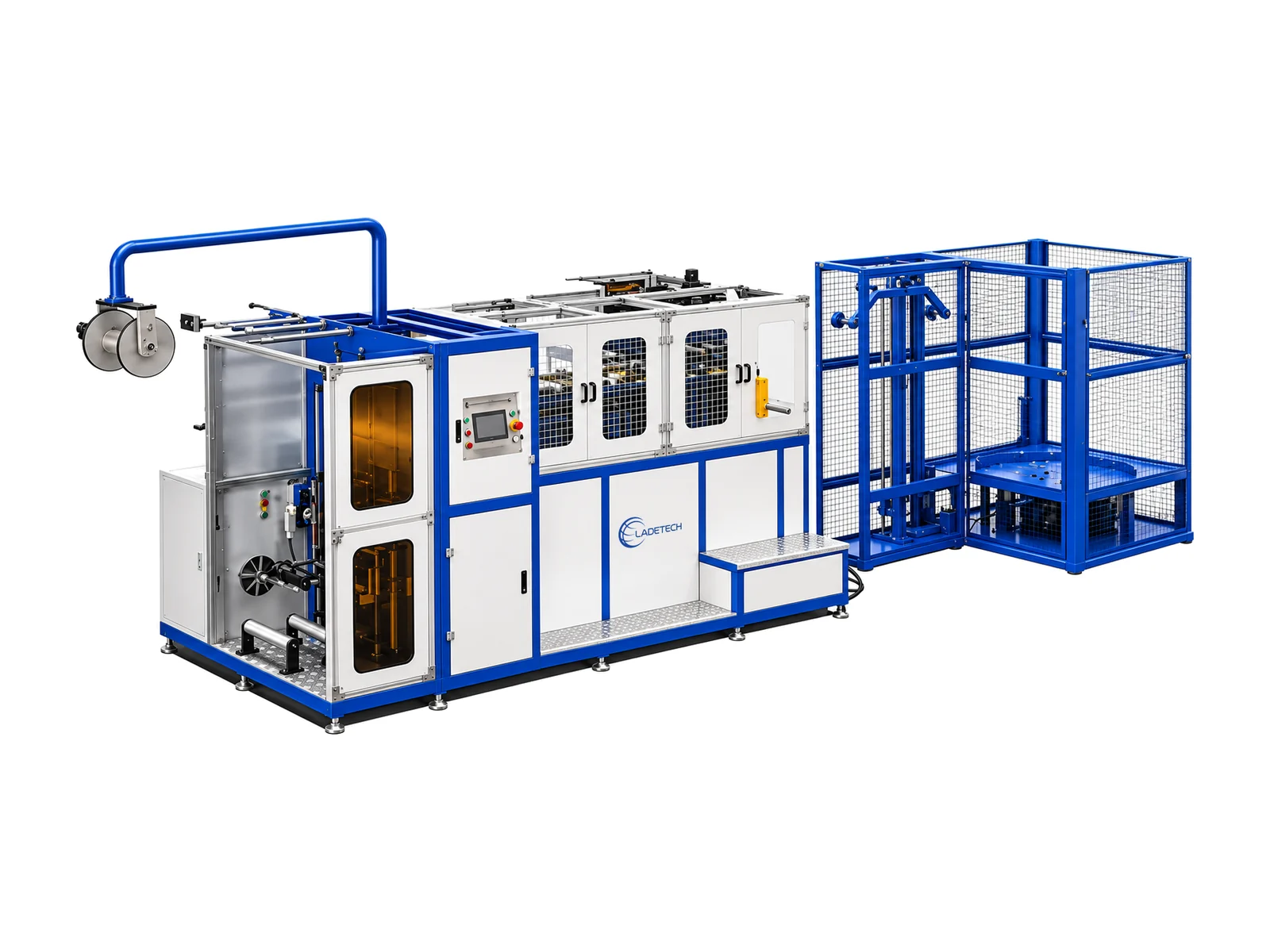
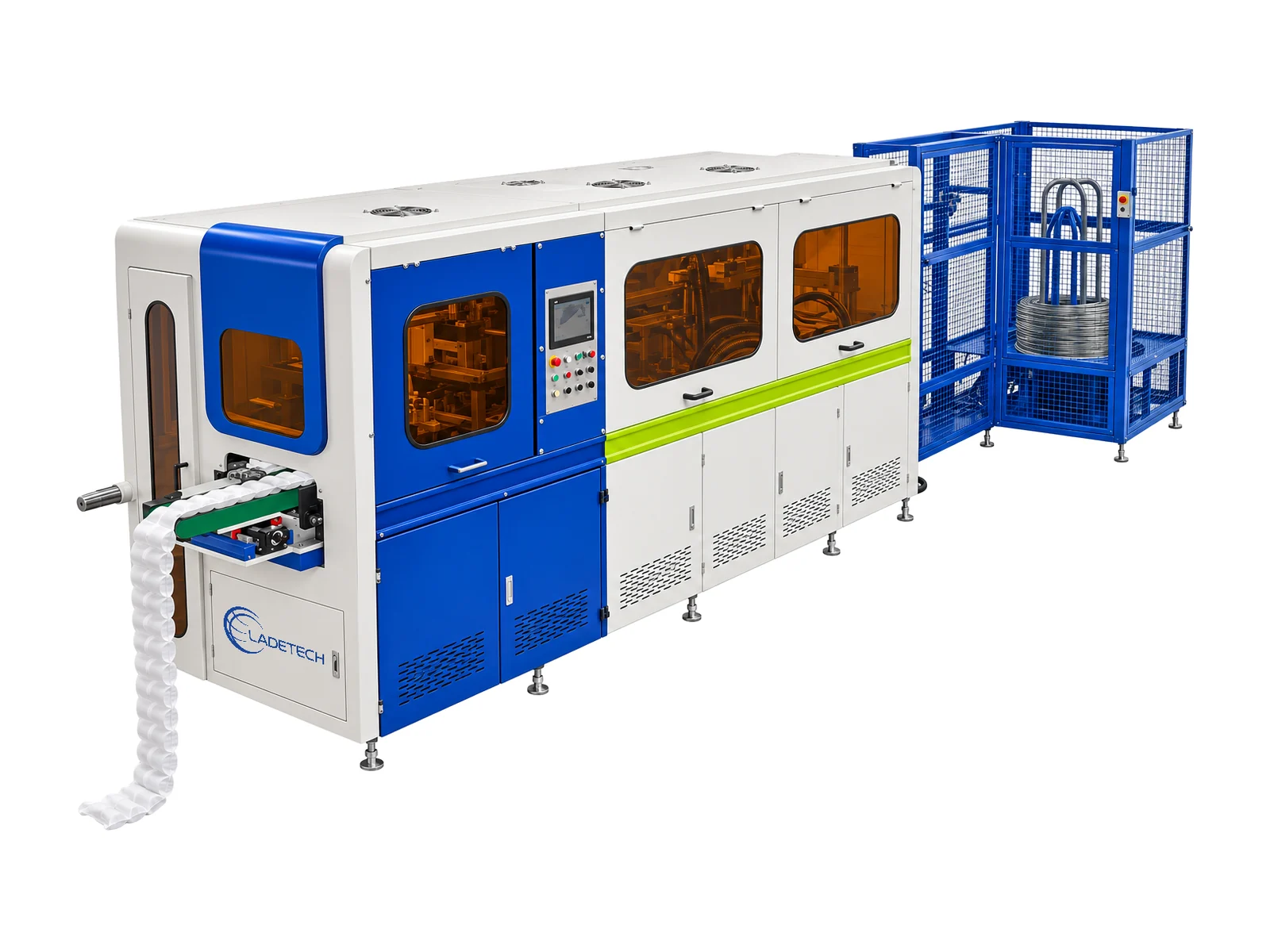
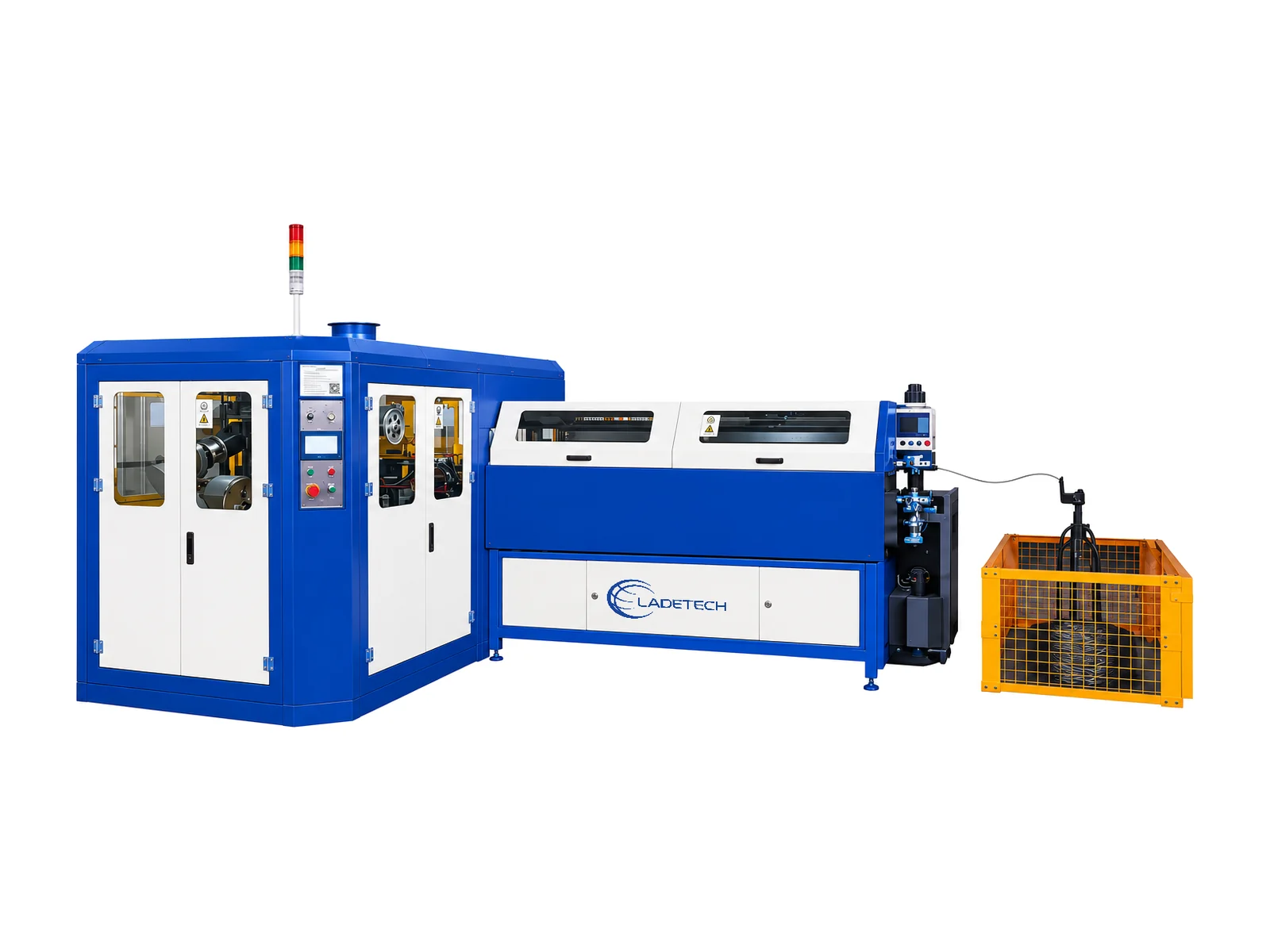
A pocket spring coiling machine forms each spring, heat-treats it, compresses it into a nonwoven fabric pocket and seals the pocket ultrasonically, all in one continuous process. It is usually the most important investment in a pocket spring mattress line, so it pays to compare machines carefully.
Here are seven points we recommend checking, with examples from our own machines.
1. Output: match the machine to your daily units
Pocket spring machines are rated in springs per minute. To see what that means for your factory, work out how many springs go into one unit.
For example, a 1500 × 2000 mm unit with springs on a 60 mm pitch has about 25 × 33 = 825 springs. A machine making 130 springs per minute, such as the LDT-PS130, produces 7,800 springs per hour, which is enough for about 9 units of that size per hour in theory. Real output is lower because of changeovers, fabric changes and breaks, so plan with a margin.
If you need more, you can choose a faster machine such as the LDT-PS160 (160 springs per minute) or the LDT-PS220, or run several coilers into one assembly machine.
2. Spring range: height, diameter and wire
Check that the machine covers every spring you plan to make, now and in the future. The key ranges are:
- spring height, which sets the comfort layer and the total mattress height
- waist and end diameter, which set the spring count per unit
- wire diameter, which sets the firmness
For example, the LDT-PS130 makes pocket springs 80-180 mm high with a waist diameter of 55-72 mm from 1.8-2.3 mm wire. If you also want thin comfort layers, mini pocket springs are made on a dedicated machine such as the LDT-BPS240, which produces springs 20-40 mm high at 240 pieces per minute.
3. Spring shape: cylinder or barrel
Cylindrical springs are the most common. Barrel-shaped springs are wider in the middle and give a softer start and a more progressive feel. If you want to offer both, choose a machine that supports both shapes, such as the LDT-PS160.
4. Nonwoven fabric
The pocket is made of nonwoven fabric, and it is a running cost for every spring you make. Check which fabric weights and widths the machine accepts. The LDT-PS160, for example, works with fabric of 60-100 g/m². Make sure the fabric you can buy locally is in the range, and ask how the machine feeds and saves fabric.
5. Assembly: how the strings become a unit
The coiler makes continuous strings of pocket springs. A separate machine glues the strings together into a unit with hot-melt adhesive. You have two main choices:
- A stand-alone assembly machine, fed by an operator. The LDT-TNJ glues up to 7 rows per minute and offers continuous or intermittent gluing.
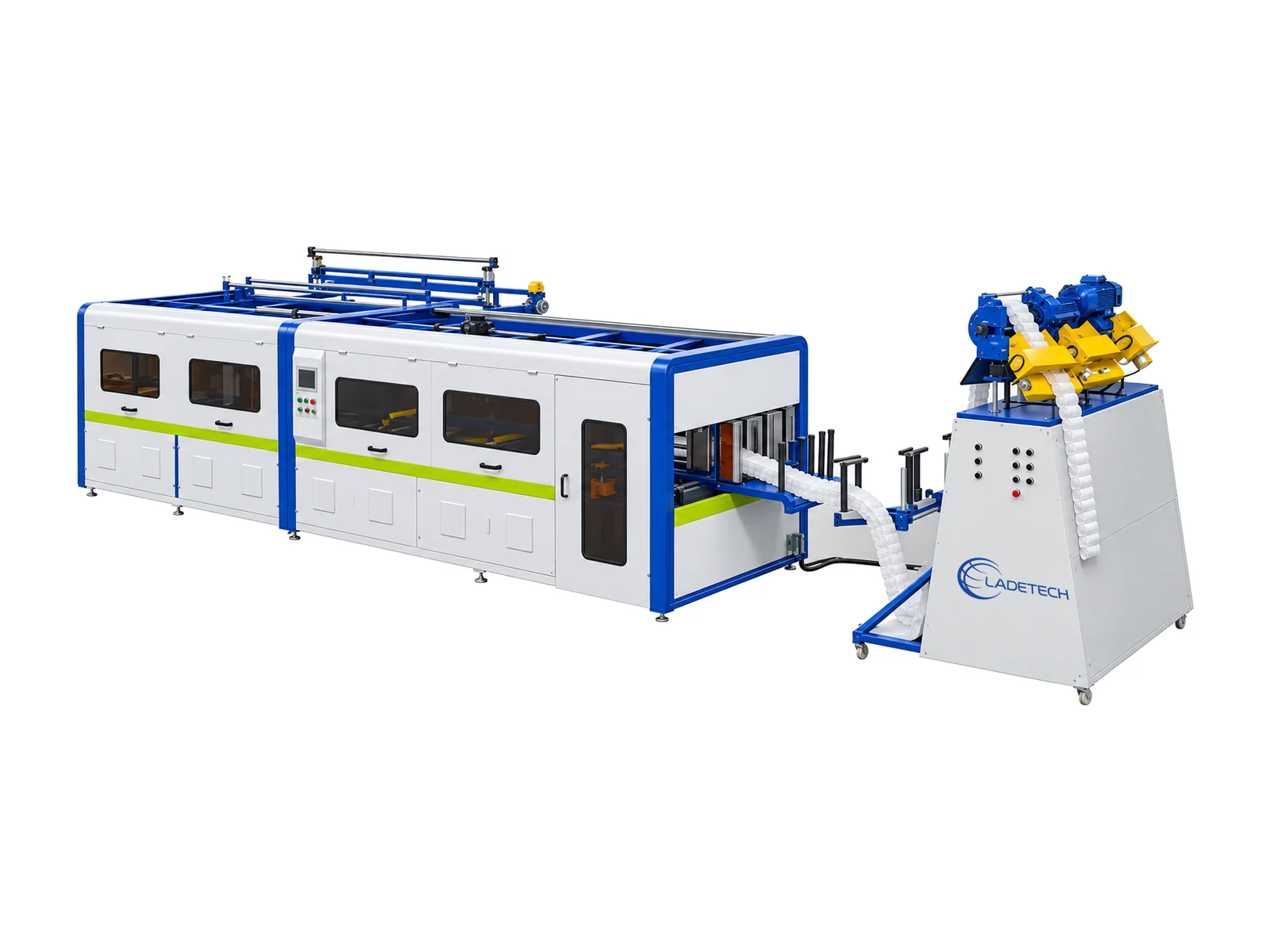
- A fully automatic assembler connected directly to the coilers. The LDT-PAM-03 works with up to three pocket spring coilers as one production line, with a Robatech or Nordson hot-melt glue system.
Automatic assembly costs more but saves labour and gives a steadier output.
6. Staffing, power and air
Pocket spring production is highly automated. On the LDT-PS130, one operator can normally look after three or more machines. Before you order, also check:
- the power supply: our machines run on 3-phase 380 V, 50/60 Hz; ask us if your local supply is different
- compressed air: for example 0.6-0.7 MPa for the LDT-PS130
- the floor space for the coilers, the assembly machine and the fabric and wire stock
7. After-sales service and spare parts
A pocket spring machine runs for many hours a day, so service matters as much as speed. Ask the supplier:
- who installs the machine and trains your operators
- how quickly spare parts can be delivered
- whether technical support is available remotely and on site
LADETECH provides on-site installation and training, and lifetime after-sales service for our equipment.
Don't forget the rest of the line
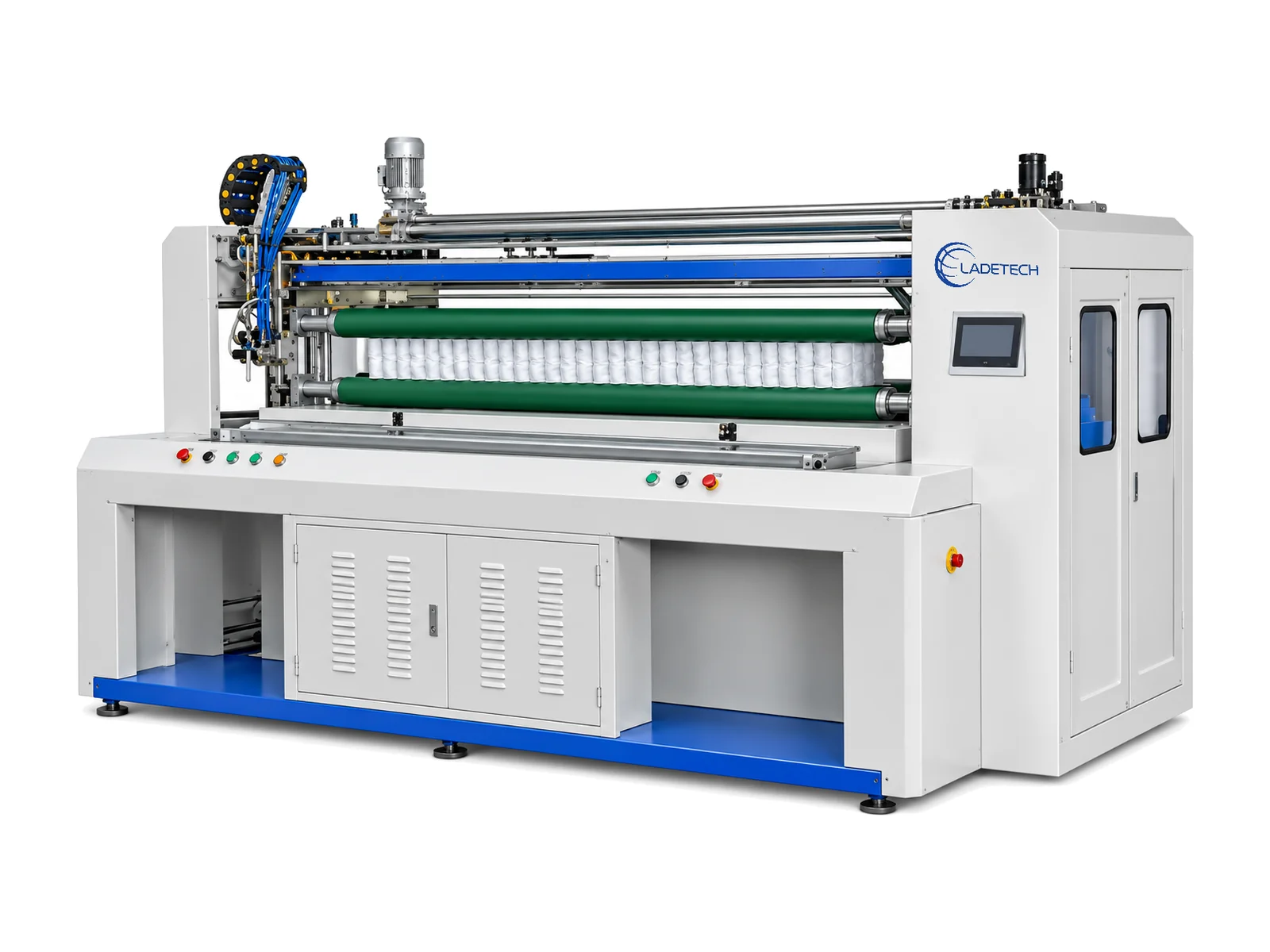
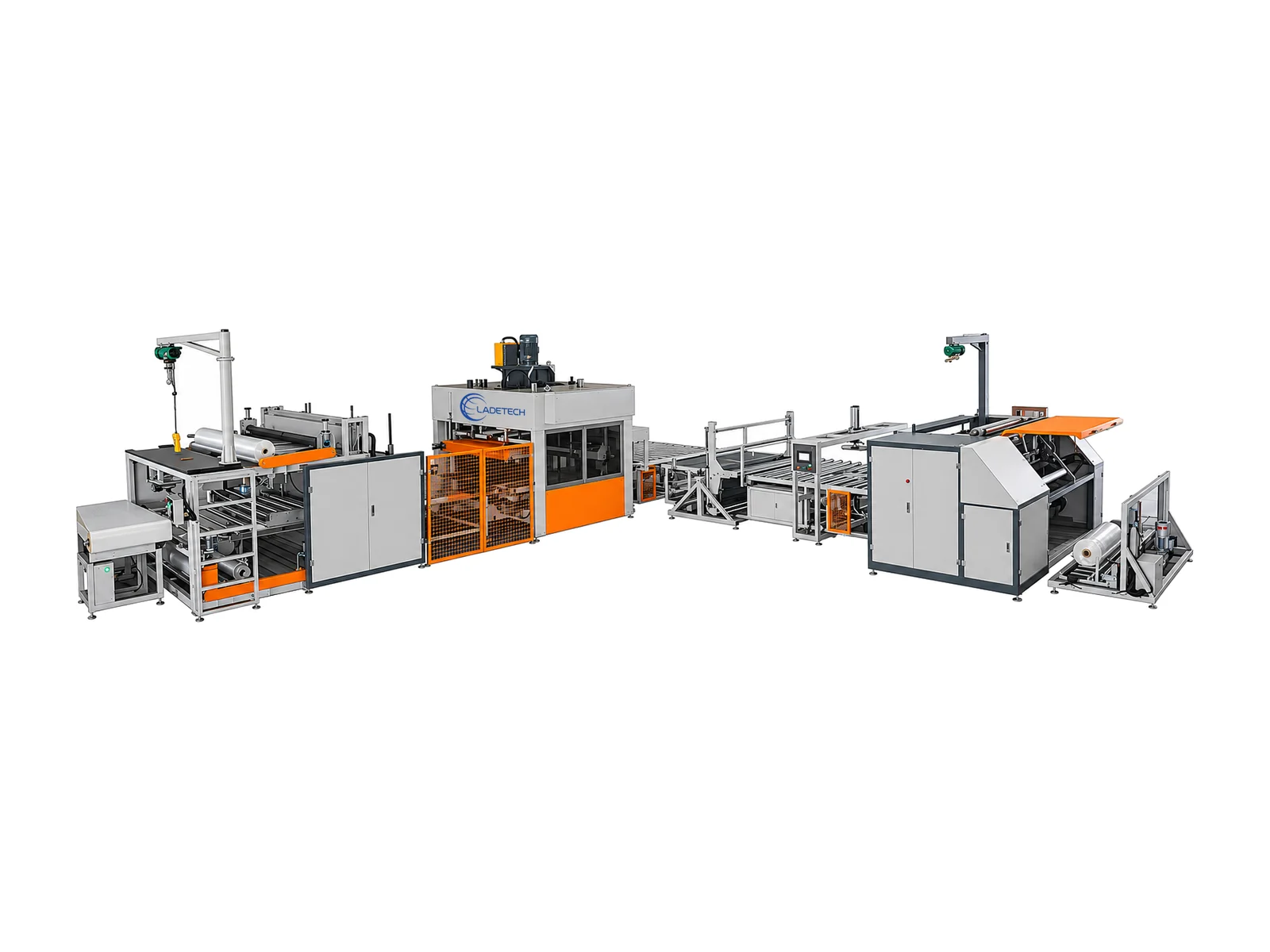
After assembly, many factories add an ultrasonic cutter for spring strings and a pocket spring roll packing machine, which rolls ten spring units (up to 2000 × 2000 mm) into one package to save storage space. To see the full range, visit our pocket spring machines page.
Still comparing machines? Send us your spring specifications and target output, and we will recommend a configuration and send you a quotation.
Send an inquiry
One-on-one service, reply within one working day
More articles
 Bonnell Spring vs Pocket Spring: Which Spring Unit Should Your Mattress Factory Make?How Bonnell and pocket spring units differ in construction, comfort, cost and production equipment, and how to decide which spring line your factory should start with.Read more
 What Machines Do You Need to Start a Mattress Factory?A step-by-step list of the machines in a spring mattress factory, from spring units to quilting, sewing, tape edge and packing, plus how to plan a starter line and grow it later.Read more